Madras Curry: Authentic Taste or British Creation?
The aroma of a rich, spicy curry wafting through an Indian restaurant is an experience many of us cherish. Among the familiar names on the menu – Korma, Vindaloo, Jalfrezi – the Madras curry holds a special place, often chosen for its promise of a vibrant, medium-hot kick. But have you ever paused to consider its origins? Is the
indian restaurant madras curry we know and love a direct descendant of traditional South Indian cuisine, or is it a clever culinary invention tailored for the Western palate? This intriguing question delves into the fascinating history of "curry" itself and the evolution of what we now widely accept as Indian food in the diaspora.
The Enigma of Madras Curry: A Culinary Identity Crisis?
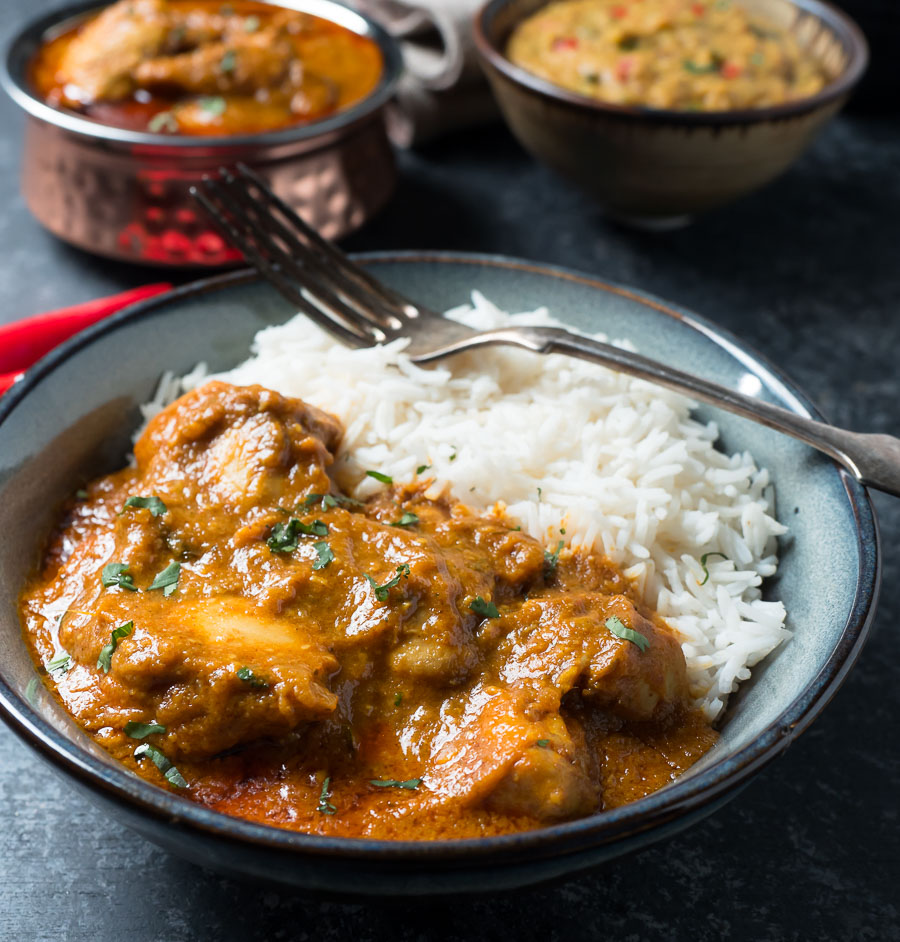
For many diners, Madras curry embodies a quintessential Indian restaurant experience: a fiery red or reddish-brown gravy, usually with chicken, lamb, or vegetables, delivering a satisfying warmth without overwhelming heat. It's often described as tangy, rich, and aromatic. The name itself points to Chennai, formerly Madras, a bustling city in South India renowned for its distinct and incredibly diverse culinary heritage. Logically, one might assume a direct link, a beloved regional dish transported unchanged to the global stage.
However, ask any seasoned traveler to Chennai or a true South Indian chef about "Madras Curry," and you're likely to be met with a puzzled look. The dish, as it appears on virtually every
indian restaurant madras curry menu in the UK, Europe, and North America, is not something you'd typically find in a traditional South Indian home or local eatery. This discrepancy sparks the core of our culinary debate: is it authentic, or a brilliant British reinterpretation?
Tracing the Roots: From Madras to British Curry Houses
To understand the Madras curry, we must journey back to the British colonial era in India. The British, fascinated by the diverse spiced dishes they encountered, generalized them under the umbrella term "curry." This simplification led to the creation of "curry powder," a blend of spices designed to replicate the flavors of Indian cooking for a Western audience.
When Indian chefs and entrepreneurs began opening restaurants in Britain in the late 19th and early 20th centuries, they faced a unique challenge: adapting their complex, regional cuisines to suit local tastes and expectations. The British palate, often accustomed to blander fare, was gradually introduced to spices, but perhaps not in their full, unadulterated Indian intensity.
This period saw the birth of what are now considered "British Indian Restaurant" (BIR) staples. Dishes like Vindaloo, Korma, and Madras were developed, often using a common base gravy and then customized with specific spice blends, proteins, and heat levels. The name "Madras" likely emerged as a geographical signifier, hinting at a Southern Indian origin and implying a certain spice profile – perhaps a medium-to-hot heat with a distinct tangy depth. It became a marketing tool, a brand rather than a direct translation of a specific traditional dish.
In essence, the Madras curry became a product of culinary evolution and adaptation, a testament to the ingenuity of early Indian restaurateurs who sought to bridge the gap between two very different food cultures. It’s a hybrid, forged in the kitchens of Britain, drawing inspiration from Indian flavors but tailored for a foreign market.
Deconstructing the Flavour Profile of an Indian Restaurant Madras Curry
So, what defines the taste of an
indian restaurant madras curry? While recipes vary, certain characteristics are fairly consistent:
- Heat Level: Typically medium to hot, providing a noticeable chili kick.
- Colour: A distinctive reddish-brown, often achieved with ample use of red chili powder and sometimes tomato paste.
- Tanginess: A pleasant sour note, often from tamarind, lemon juice, or tomatoes, which balances the heat.
- Base: Usually a thick, semi-dry gravy, often onion and tomato-based, providing a hearty texture.
- Aromatic Spices: Common spices include coriander, cumin, turmeric, fenugreek, and a generous amount of red chili. Curry leaves and mustard seeds might be used for tempering, especially in versions leaning closer to South Indian influences.
Compare this to authentic dishes from the Chennai region. South Indian cuisine is incredibly diverse, featuring dishes like:
- Sambar: A lentil-based vegetable stew, tangy with tamarind and aromatic with roasted spices.
- Rasam: A thin, peppery, tamarind-based soup, often served as a digestive.
- Kozhambu: Various gravies, often coconut-based, with specific vegetables or proteins, each with unique spice blends.
- Chettinad Curries: Famous for their intensely aromatic and fiery nature, using freshly ground spices and often coconut.
While these dishes are spicy and incredibly flavourful, none are simply called "Madras Curry." The spice profiles are far more intricate and region-specific than the generalized BIR version. The modern
indian restaurant madras curry is a distinct entity, a category of its own, separate from the traditional regional dishes of Tamil Nadu. If you're curious about the specific blend of spices that give this dish its distinctive character, dive deeper into
Unveiling the Rich Spices Behind Restaurant Madras Curry.
Embracing the Madras Experience: Tips for Enjoying This Beloved Dish
Despite its hybrid origins, the Madras curry has earned its place as a beloved staple in the global curry landscape. It offers a consistent, satisfying experience for those who appreciate its specific blend of heat and tang. Here are some tips for enjoying your next
indian restaurant madras curry:
- Appreciate it for what it is: Don't expect a direct replication of a South Indian home-cooked meal. Instead, enjoy it as a delicious, British-Indian invention that has its own rich history and flavour profile.
- Pair Wisely: Madras curry pairs wonderfully with plain basmati rice to soak up the gravy, or with a soft naan bread. A cooling raita (yogurt with cucumber and mint) can be an excellent counterpoint to the heat.
- Consider Your Protein: While chicken and lamb are popular choices, a vegetable Madras can be incredibly flavourful, allowing the spices and sauce to truly shine. Paneer (Indian cheese) is another excellent option.
- Communicate with Your Server: Most Indian restaurants are happy to adjust the spice level to your preference. Don't hesitate to ask for it milder or spicier if you have a specific heat tolerance.
- Look for Quality: A good Madras curry should have fresh, vibrant spices, a balanced flavour (not just heat), and a rich, well-cooked gravy. Avoid those that taste like generic curry powder or are overly greasy.
The popularity of the Madras curry is undeniable, and its journey from a colonial-era adaptation to a global favourite is a fascinating story of culinary innovation. It has become a benchmark for those seeking a medium-to-hot curry and is a testament to the dynamism of Indian-inspired cuisine worldwide. For a deeper dive into making the most of your dining experience, be sure to read
Your Guide to Enjoying Authentic Indian Restaurant Madras Curry.
Conclusion
So, is Madras curry authentic or a British creation? The answer is nuanced: it's a creative British creation *inspired by* Indian flavors and given a geographical name. While you won't find a dish explicitly called "Madras Curry" in the traditional culinary landscape of Chennai, the
indian restaurant madras curry has carved out its own authentic identity within the British-Indian restaurant canon. It’s a delicious testament to culinary adaptation, a beloved dish that satisfies the longing for exotic spices and a comforting warmth. It stands as a delicious bridge between two cultures, proving that sometimes, the most cherished dishes are those that evolve and adapt, forging new traditions along the way.